
Understanding the Criminal Justice System
That sinking feeling in your gut when you see the positive result. The fear when your probation officer tells you they’re filing paperwork. The sleepless nights wondering if you’re going back to jail. If you’ve recently failed a drug test on probation in Indiana, you’re probably terrified, and that’s completely understandable. But panic won’t help you right now. What you need is clear information about what happens next and what you can do about it.
Here’s the truth. Yes, a failed UA probation violation is serious. But it doesn’t automatically mean you’re going to serve your entire suspended sentence behind bars. Indiana courts have options, and the outcome depends on several factors including your history, the substance involved, how you handle the situation, and whether you have someone fighting for you.
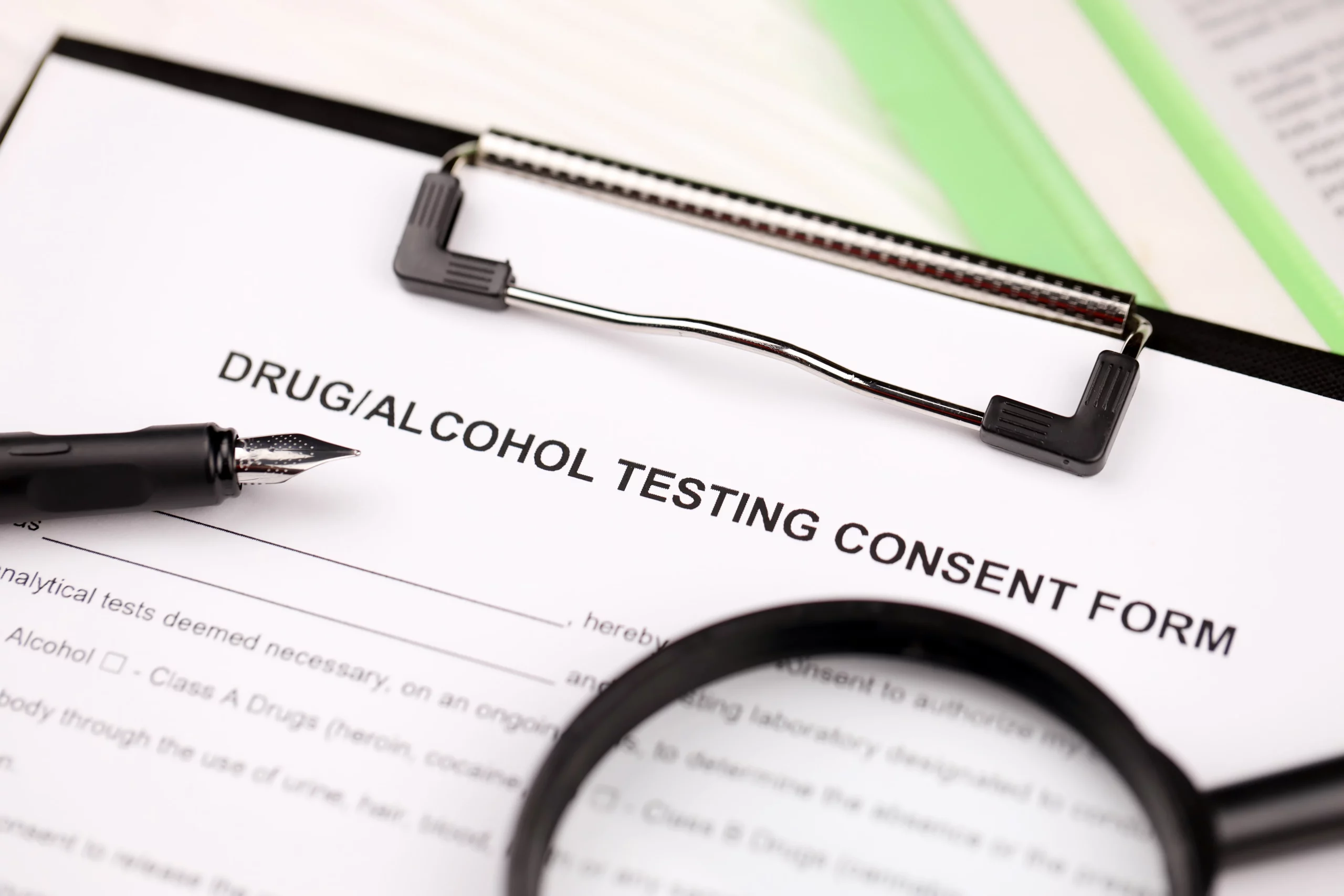
Under Indiana Code 35-38-2-2.3(a)(20), Indiana courts can require probationers to periodically undergo laboratory chemical tests to detect controlled substances. You’re responsible for paying for your tests, and the lab reports results directly to your probation officer. Refusing a test is treated just as harshly as failing one. Most probation departments use random calling systems where you check a hotline daily to see if you need to test that day.
Your probation officer will likely file a Notice of Violation of Probation. Under Indiana Code 35-38-2-3(b), the court can issue a summons ordering you to appear or a warrant for your arrest. You’re more likely to get a summons for first-time, lower-level violations. Warrants come when the court believes you’re a flight risk or might harm someone.
If you’re arrested and held without bail, Indiana law requires a hearing within 15 days. Once the summons or warrant is issued, your probation period is tolled, meaning it stops running until the violation is resolved.
A failed drug test does not always lead to jail. Indiana judges have several options based on your situation.
Probation violation hearings aren’t like regular criminal trials. According to Indiana Code 35-38-2-3(f), the state only needs to prove by a preponderance of the evidence that you violated probation. That means they just need to show it’s more likely than not you failed the test. More than 50 percent.
You still have rights. You’re entitled to a hearing, can confront witnesses, and have the right to an attorney. But you don’t get a jury. The judge decides everything. This lower burden of proof is why a positive lab result is so difficult to challenge.
According to Indiana Code 35-38-2-3(a)(2), the state can file a petition to revoke during probation or before whichever comes first – one year after your probation ends or 45 days after the state learns about the violation. This means if you violate on your last day of probation, they can still come after you for the entire suspended sentence. Even if your probation has ended, if they find out you violated while on probation within that one-year window, they can file charges within 45 days of learning about it.
Not all positive tests are treated equally. Marijuana violations might result in warnings or modified probation for first offenses, especially when the underlying conviction wasn’t drug-related. Testing positive for methamphetamine, cocaine, heroin, or fentanyl triggers immediate warrants and harsher consequences. Prescription medications aren’t violations if you disclosed the prescription beforehand and take it as directed.
Taking the right steps early can affect your case. Acting quickly helps protect your position.
You might think you can explain things to the judge yourself, promise to do better, apologize, and hope for mercy. That’s a terrible plan.
You don’t know the procedural rules, what evidence the state must present, what defenses might be available, or what the judge typically does. An attorney who handles probation violations in Indiana knows the local judges, prosecutors, and probation departments. They know what arguments work, how to present mitigating evidence, and when to negotiate versus fight.
An attorney can also spot procedural violations you’d never notice. Did the state file the petition within the required timeframe? Were you properly advised of your rights? Was the testing procedure correct? Was the lab certified? These technical defenses can sometimes get violations dismissed or reduced.
If this isn’t your first failed test, be realistic. Judges give second chances but rarely third or fourth. Multiple violations show probation isn’t working, and by your third violation, revocation becomes much more likely regardless of substance or excuses.
Judges respond to accountability. Own what you did without excuses about secondhand smoke or spiked drinks. Show action with proof of treatment enrollment, NA attendance, and substance abuse evaluations. Demonstrate stability through maintained employment, housing, and family relationships. Avoid denial and deflection about test accuracy without evidence of lab error.
Even avoiding jail, a failed UA probation violation brings financial costs (increased testing, treatment, attorney fees), employment consequences, personal stress affecting relationships and mental health, and damaged credibility with probation officers.
If you failed a drug test on probation and you’re scared, that fear can be productive if you channel it correctly. Fear should motivate you to get help, not paralyze you. The days between your failed test and your hearing are critical. What you do now will significantly affect the outcome. Get into treatment, stay clean, hire an attorney, and gather evidence of compliance with other probation terms. Indiana’s probation system gives people chances to avoid jail while staying accountable, but those chances aren’t unlimited. This might be the wake-up call you need.
Will I automatically go to jail if I fail a drug test while on probation in Indiana?
No. Indiana judges have several options including continuing probation with modified conditions, extending your probationary period, ordering partial execution of your suspended sentence, or full revocation. The outcome depends on whether this is your first violation, what substance you tested positive for, your overall compliance, and whether you’ve taken steps to address substance abuse.
What’s the difference between a summons and a warrant after a probation violation?
A summons orders you to appear in court on a specific date, while a warrant authorizes law enforcement to arrest you. Summons are more common for first-time, lower-level violations. Warrants are issued if the court views you as a flight risk or danger to others.
Can I challenge the accuracy of a failed drug test?
Yes, but it’s difficult. You can challenge chain of custody issues, testing procedures, or lab certification. However, if the lab followed proper protocols, test results are usually considered reliable. False positives are rare. An attorney can investigate grounds to challenge results, but successful challenges are uncommon.
How long does the state have to file a probation violation?
The state can file during your probationary period or within 45 days after they learn about the violation, as long as it’s within one year of your probation ending. Even if probation has ended, they can file charges within this window.
Will a positive marijuana test be treated the same as harder drugs?
Generally, no. Judges often respond less harshly to marijuana violations, especially for first-time violations by someone whose underlying offense wasn’t drug-related. Testing positive for methamphetamine, cocaine, heroin, or other hard drugs typically results in more serious consequences.
I have a prescription for the medication I tested positive for. Is that still a violation?
Not if you disclosed the prescription to your probation officer beforehand and you’re taking it as directed. If you test positive then produce a prescription afterward, it looks suspicious and may not protect you. Always notify your probation officer about controlled substance prescriptions before taking them.
If I voluntarily enter treatment before my hearing, will that help?
Yes, significantly. Judges view voluntary treatment enrollment as evidence you’re taking the violation seriously and committed to addressing your substance abuse problem. Bring proof of enrollment, attendance records, and evaluations to your hearing.
A failed drug test on probation feels like the end of the world, but it doesn’t have to be. What happens next depends largely on the decisions you make right now and whether you have someone fighting for you who knows Indiana’s probation system. At Razumich & Associates, we handle probation violation cases throughout Indianapolis and central Indiana. We know the local courts, the local judges, and what it takes to get the best possible outcome when you’re facing a violation.
We’ve helped clients avoid jail time, negotiate treatment programs instead of incarceration, and successfully challenge probation violations when the state didn’t follow proper procedures. Don’t wait until you’re sitting in a holding cell to get help. Don’t wait until the warrant is issued. Don’t try to handle this yourself and hope for the best. The consequences are too serious, and you have too much to lose.
If you’ve failed a drug test while on probation, if you’re worried about an upcoming test, or if you’ve already been notified of a violation, we can help. We’ll look at your situation, explain your options honestly, and fight to protect your freedom and your future. Your probation violation doesn’t define you, but how you handle it will shape what comes next. Let us stand with you and give you the best possible chance at a positive outcome. Reach out to Razumich & Associates today for a free consultation.