
Indianapolis Drug Crimes Defense Attorney

Fighting Drug Possession, Dealing, and Trafficking Charges Across Indianapolis and All of Indiana

A drug charge does not have to define the rest of your life. The right defense, started immediately, can change everything about where this case goes.

If you have been arrested on a controlled substance charge, an experienced Indianapolis drug crimes defense attorney is essential. Indiana’s drug laws are among the harsher in the country, and Marion County prosecutors do not back off just because the case is built on shaky evidence or a questionable search.

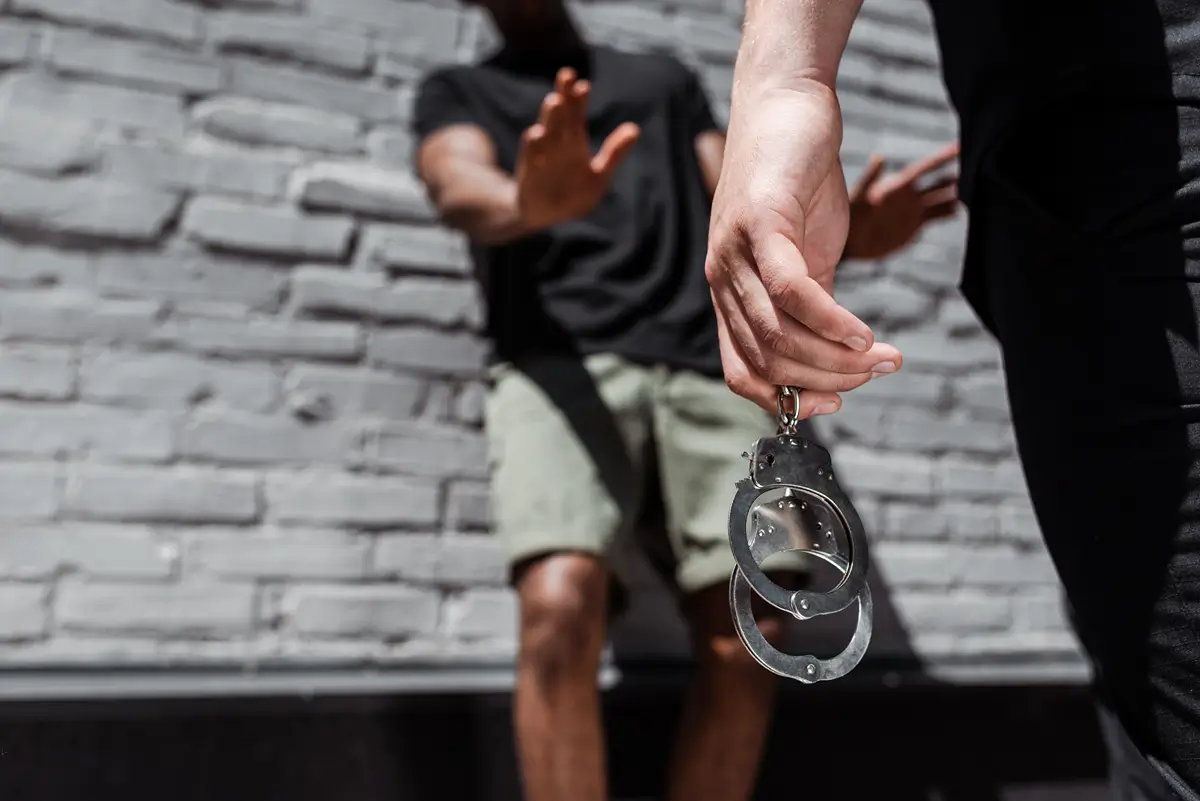
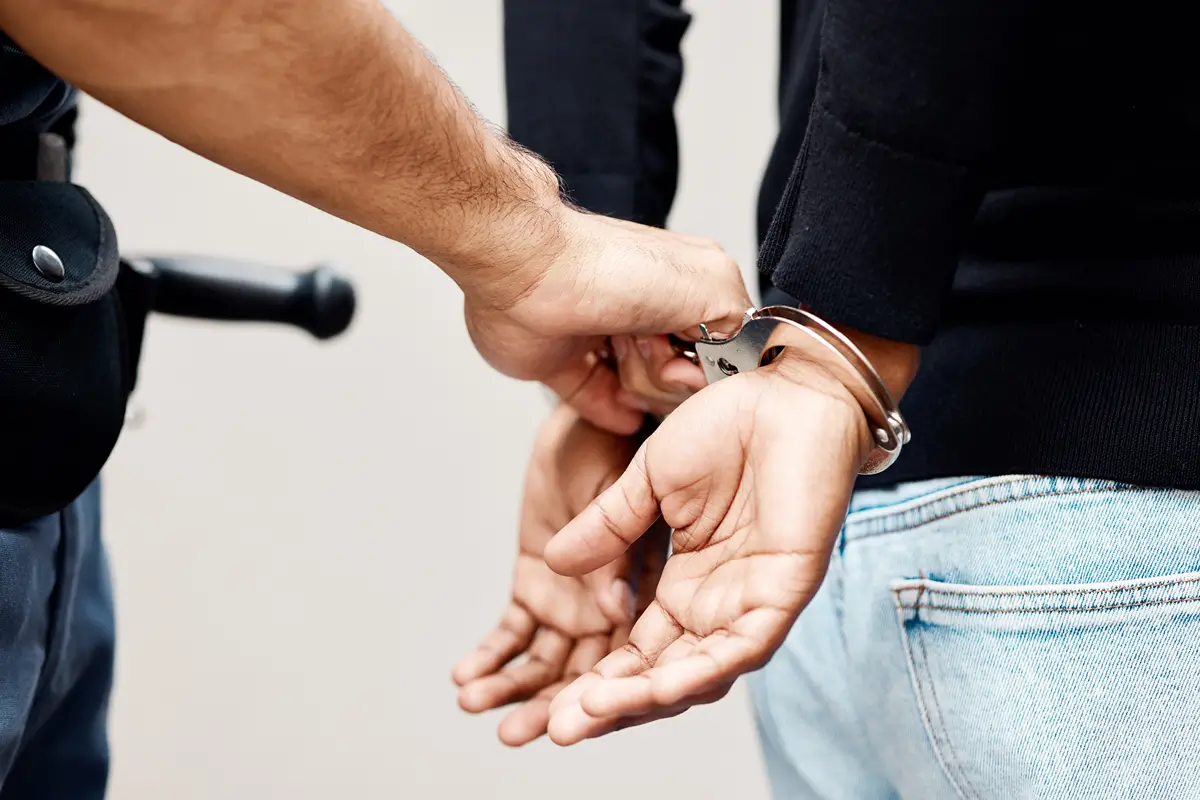
A drug arrest in Indianapolis usually happens one of three ways. You were in a vehicle pulled over for a minor traffic violation. You were in a house when the police came through with a warrant. Or someone working as a confidential informant set up a buy. The circumstances are different, but the result is the same. You were put in handcuffs, taken to a holding cell, and told you were facing charges that could change your record, your job, and your freedom.

We understand. Every client who walks into our office after a drug arrest is dealing with some combination of fear, embarrassment, and the slow realization that the State of Indiana takes drug cases seriously, sometimes more seriously than the facts warrant.

Here is what we want you to know. Your situation is not hopeless.

At Razumich & Associates, P.C., we have spent years defending clients charged with drug possession, drug dealing, drug trafficking, drug manufacturing, and every related offense Indiana files. We know how Marion County builds these cases. We know which arguments work in front of which judges. We know how to challenge the traffic stop, the search warrant, the lab results, and the informant testimony that the State is counting on.

If you are looking for an Indianapolis drug crimes defense attorney who will treat your case like it matters and fight for the outcome you deserve, you are in the right place.

Key Takeaways

  • Indiana drug charges range from Class B misdemeanors for small amounts of marijuana to Level 2 felonies for major dealing and trafficking offenses, with prison sentences that can reach decades.
  • The State must prove possession, knowledge, and identity of the substance beyond a reasonable doubt, and each of those elements creates an opening for the defense.
  • Many drug cases involve illegal searches, questionable confidential informant testimony, or chain of custody problems that can lead to suppressed evidence or dismissed charges.
  • Indiana offers drug court and other diversion programs that can keep first time and lower level offenders out of prison and off the conviction record.
  • The earlier our firm gets involved, the more options we have to protect your record and your future.

Understanding Indiana Drug Laws

Indiana categorizes controlled substances into five schedules under Indiana law, mirroring the federal classification system. The schedule a substance falls into directly affects how the charge is filed and how serious the penalty becomes.

Schedule I substances are considered the most dangerous and have no accepted medical use under Indiana law. This includes heroin, LSD, and certain other hallucinogens. Marijuana also sits on Schedule I in Indiana, even though many other states have moved it.

Schedule II substances have a high potential for abuse but accepted medical uses. This includes cocaine, methamphetamine, oxycodone, and fentanyl.

Schedules III, IV, and V cover substances with progressively lower abuse potential, including many prescription medications. Charges involving these substances often turn on whether the person had a valid prescription or whether the medication was obtained or distributed unlawfully.

The two primary statutes that govern Indiana drug cases are Indiana Code § 35-48-4, which covers controlled substance offenses, and Indiana Code § 35-48-2, which contains the schedule classifications themselves.

Common Drug Charges We Handle in Indianapolis

Drug cases cover a wide range of conduct, and the strategy for each one is different. Our firm handles the full range of drug charges filed in Marion County and across Indiana.

Drug Possession

The most common drug charge in Indianapolis is possession of a controlled substance. The State has to prove two things: that the substance was actually a controlled substance, and that you knowingly possessed it. Possession can be actual (the drugs were on your person) or constructive (the drugs were in a location you controlled, like a car or a bedroom). Constructive possession cases often have weaker evidence than the State would like to admit.

Possession of Marijuana

Even with shifting attitudes nationally, marijuana possession remains illegal under Indiana law. Possession of less than 30 grams is a Class B misdemeanor on a first offense, with up to 180 days in jail and a fine up to 1,000 dollars. Possession of 30 grams or more, or a second offense, becomes a more serious charge. Many people are surprised at how aggressively marijuana is still prosecuted in Marion County compared to surrounding states.

Narcotics Possession and Dealing

Narcotics charges are felonies from the moment they are filed. Possession of cocaine, methamphetamine, heroin, or fentanyl can be charged anywhere from a Level 6 felony to a Level 3 felony depending on the weight involved. Dealing in narcotics carries even more severe penalties, with Level 2 felony charges possible when large quantities or weapons are involved.

Drug Dealing and Trafficking

The line between possession and dealing in Indiana is often thinner than it sounds. The State can charge dealing based on the quantity found, the presence of packaging materials, scales, cash, or text messages suggesting sales activity. These cases can turn into Level 2 or Level 3 felonies very quickly, with sentences that stretch into decades.

Drug Manufacturing

Manufacturing covers everything from a methamphetamine operation to growing marijuana at home. Penalties depend on the substance, the scale of the operation, and whether children were present or weapons were involved. These cases are among the most aggressively prosecuted drug offenses in Indiana.

Prescription Drug Fraud

Obtaining prescription medications through forged prescriptions, doctor shopping, or false statements to a pharmacist can be charged as felony level offenses. These cases often involve allegations of multiple incidents stacked into a single case.

Possession of Drug Paraphernalia

Paraphernalia charges are usually misdemeanors but often appear alongside more serious drug charges as part of a larger case. Pipes, syringes, scales, and packaging materials can all qualify depending on the context.

Drug Related DUI / OWI

When the alleged impairment involves drugs rather than alcohol, the case is often filed as a drug related DUI. These cases turn on the officer’s observations and the chemical test results rather than a clean BAC reading, which means the defense often focuses on whether the medication or substance actually impaired driving.

Penalties for Drug Crimes in Indiana

The penalties depend on the substance, the amount, the alleged activity, and the defendant’s prior record. Here is the general framework Indiana uses.

Misdemeanor Drug Offenses

  • Class B misdemeanor, up to 180 days in jail and a fine up to 1,000 dollars. Typical for first time marijuana possession under 30 grams.
  • Class A misdemeanor, up to one year in jail and a fine up to 5,000 dollars. Typical for first time possession of a controlled substance, or marijuana possession over 30 grams.

Felony Drug Offenses

  • Level 6 felony, six months to two and a half years in prison and a fine up to 10,000 dollars. Common for possession with prior convictions or larger amounts.
  • Level 5 felony, one to six years in prison. Common for low level dealing or possession of higher tier substances.
  • Level 4 felony, two to twelve years in prison. Common for dealing in Schedule I or II substances at threshold weights.
  • Level 3 felony, three to sixteen years in prison. Common for dealing in major substances at higher weights.
  • Level 2 felony, ten to thirty years in prison. Drug cases at this level fall into the most serious major felony charges Indiana files, reserved for the most serious dealing and trafficking offenses, often involving large quantities or weapons.

Additional Consequences

Beyond prison and fines, a conviction can mean mandatory drug treatment, probation, community service, driver’s license suspension, loss of federal student aid eligibility, and lasting damage to your record that affects employment, housing, and immigration status for years. Some convictions may eventually become eligible for Indiana criminal record expungement under the Indiana Second Chance Law, but the waiting periods and eligibility rules are strict for drug cases, especially dealing offenses.

Defenses Our Indianapolis Drug Crimes Defense Attorneys Use to Fight These Cases

Most drug cases have pressure points the State hopes you will not notice. Our job is to find them and use them.

Illegal Search and Seizure

The Fourth Amendment requires police to have a valid reason to stop, search, or detain you. If the traffic stop lacked reasonable suspicion, if the search exceeded the scope of the warrant, or if the officer searched your vehicle without legal justification, the evidence collected may be suppressed. When the evidence goes, the case often goes with it. This is one of the most powerful defenses in drug cases because so many start with a marginal traffic stop or a questionable search.

Lack of Probable Cause

Even when a stop or search is technically legal, the officer still needs probable cause to arrest. If the arrest was based on assumptions, hunches, or an officer’s misreading of the situation, the case can be challenged on that basis.

Constructive Possession Challenges

When drugs are found in a car with multiple passengers, a shared apartment, or a public space, the State has to prove the drugs were actually yours. Constructive possession cases require the State to show you knew about the substance and exercised control over it. Mere proximity is not enough.

Chain of Custody Issues

Drug evidence has to travel from the scene of the arrest to the crime lab to the courtroom, and every step has to be documented. Any break in the chain of custody can raise serious doubts about whether the substance tested is the substance allegedly seized.

Substance Misidentification

The State has to prove the substance is actually what they say it is. Lab testing errors, contamination, and false field test results can all undercut the prosecution’s case. We have seen field tests that turned positive for substances that lab testing later showed were not controlled substances at all.

Confidential Informant Credibility

Many narcotics cases rely heavily on confidential informants, who are often facing their own charges and have strong incentives to produce results for the police. CI testimony can be challenged on the basis of motive, prior inconsistent statements, criminal history, and the quality of the supervision during the alleged transaction.

Entrapment

If law enforcement persuaded or pressured you into committing a drug offense you would not have committed on your own, entrapment can be a complete defense. This is a narrow defense, but it does apply in some cases involving aggressive informant work or sting operations.

Probation Violation Overlap

Many people facing new drug charges are already on supervision from a prior case, and the new arrest often triggers a parallel Indianapolis probation violation petition. The two cases have to be coordinated together, because what happens in one directly affects the other, and a smart strategy looks at both at the same time.

Medical Marijuana and Prescription Defenses

If you possessed a substance lawfully under a valid prescription, that fact is a real defense. Indiana does not currently have a recreational or medical marijuana program, but valid prescriptions for Schedule II through V medications can take the case off the table when properly documented.

Insufficient Evidence

Sometimes the simplest defense is the strongest. The State has to prove every element beyond a reasonable doubt. When the evidence is thin, when key witnesses do not hold up, when the testing is questionable, the case should not survive trial.

Drug Court and Diversion Programs in Indiana

For some clients, the most important question is not how to win at trial but how to keep a drug case from becoming a conviction on the record. Indiana offers several alternatives to traditional sentencing.

Drug court is a specialized court program for defendants whose offenses are tied to substance abuse. Participants commit to intensive treatment, regular drug testing, court appearances, and accountability. Successful completion can result in reduced charges, dismissed charges, or a sentence that avoids prison.

Pretrial diversion allows certain first time offenders to complete conditions like treatment, community service, and drug education in exchange for the charges being dismissed without a conviction.

Conditional discharge allows certain low level possession cases to be resolved without a formal conviction if the defendant completes probation successfully.

Eligibility for these programs depends on the charge, your record, and the prosecutor’s discretion. Getting in is not automatic, and the petitions have to be argued carefully.

What to Do If You Are Arrested for a Drug Crime

The choices you make in the first hours and days after a drug arrest can shape the entire case.

First, do not talk to the police. Officers will tell you that cooperating helps. It rarely does. Anything you say will be in a report by morning. Politely say you want a lawyer and stop talking.

Second, do not consent to searches. Officers may ask for permission to search your car, your home, or your phone. You do not have to agree. Voluntary searches cannot be challenged the same way forced searches can.

Third, do not delete or destroy anything. Text messages, photos, voicemails, and other evidence have to be preserved. Destroying them after an arrest can lead to additional charges and weaken your case. If your arrest involved a physical altercation with officers, you may also be facing an Indianapolis battery charge alongside the drug case, and the two will need to be coordinated.

Fourth, write down everything you remember while it is fresh. The time, the location, what the officer said, what was searched, who was present. These notes are for your attorney only.

Fifth, contact our office. The earlier we get involved, the more we can do, especially when there is a chance to challenge the search before charges are formally filed.

Why Choose Razumich & Associates, P.C. as Your Indianapolis Drug Crimes Defense Attorney

Razumich & Associates, P.C. has been defending Hoosiers against serious criminal charges since 2006. John “Jack” Razumich is admitted to practice before the Supreme Court of the United States and the federal courts of Indiana, credentials that fewer than a handful of Indianapolis criminal defense attorneys hold. His criminal defense practice has taken him across 75 of Indiana’s 92 counties, with frequent appearances in Marion, Hamilton, Hendricks, Hancock, and Johnson counties.

Drug cases are a substantial part of what we do. We know how Marion County prosecutors build these cases. We know how the Indianapolis Metropolitan Police Department, the State Police, and the federal task forces work them. We know which judges are tough on possession cases and which ones are more open to alternative sentencing. That kind of local knowledge matters when the difference between a conviction and a dismissal often comes down to how the case is argued in front of the right person.

When you sit down with our team, you will get a straight answer. We will tell you what the State has, what we think they are missing, what your realistic options look like, and how we plan to fight for the outcome you deserve. We do not push every client toward a plea. We do not treat your case like a number on a stack. We listen, we prepare, and we go to work.

The outcomes we have helped our clients achieve are reflected in client experiences and case results on our reviews page.

For ongoing analysis of Indiana criminal law and the latest changes that affect drug cases, our criminal defense insights and blog cover developments as they happen.

Frequently Asked Questions About Drug Crimes in Indiana

Q. Can I be charged with possession if the drugs were not on me?

A. Yes. Indiana recognizes constructive possession, which means drugs found in a place you controlled, like your car, your bedroom, or your bag, can be charged to you even if they were not on your person. These cases are highly defensible because the State has to prove both knowledge and control, not just proximity.

Q. What is the difference between drug possession and drug dealing in Indiana?

A. Possession means knowingly having a controlled substance. Dealing means manufacturing, distributing, financing, or possessing with intent to deliver. The State often charges dealing based on the quantity found, the presence of scales or packaging, large amounts of cash, or text messages suggesting transactions. The line is thinner than people expect, and the penalty difference is significant.

Q. Can a drug case be dismissed before trial?

A. Yes, in many cases. Drug cases get dismissed when searches are ruled illegal, when lab results are challenged successfully, when key witnesses fail to appear, or when the State cannot meet its burden through pretrial motions. Whether dismissal is realistic depends on the specific facts of the case.

Q. Is marijuana legal in Indiana?

A. No. Despite the changing landscape in surrounding states, marijuana remains illegal in Indiana for both recreational and medical use. Possession charges are still actively filed in Marion County and across the state.

Q. Can I lose my driver’s license for a drug conviction in Indiana?

A. Yes. Indiana law allows for license suspension for certain drug convictions, even when the offense did not involve driving. The suspension period depends on the charge and prior record.

Q.What is drug court, and am I eligible?

A. Drug court is a specialized program that allows defendants whose offenses are tied to substance abuse to complete intensive treatment and accountability in exchange for reduced or dismissed charges. Eligibility depends on the offense, your record, and the prosecutor’s willingness to refer the case. We help clients evaluate whether drug court is the right path.

Q. Can a drug conviction affect my federal financial aid?

A. Yes, in some situations. Drug convictions can affect eligibility for federal student loans, grants, and other aid under certain circumstances. The rules have changed over time, and the effect depends on the specific conviction and timing. This is one of many collateral consequences that makes fighting the case important.

Q. What if the police found drugs during a traffic stop?

A. Traffic stop drug cases turn on whether the stop itself was legal, whether the officer had a valid reason to search the vehicle, and whether your rights were respected throughout the encounter. These cases are some of the most defensible because traffic stop law is technical and officers often cut corners.

Q. Do you handle drug cases outside of Indianapolis?

A. Yes. Our firm represents clients statewide. John “Jack” Razumich’s criminal defense practice has taken him across 75 of Indiana’s 92 counties. Wherever your case is filed, we can be there.

Ready to Talk About Your Situation

A drug charge is not the end of your story. It is a chapter, and how that chapter ends depends on what you do next.

We have walked beside clients in Indianapolis who thought a single possession charge had ended their career, their education, or their freedom, and we have watched cases dismissed, charges reduced, suppression motions granted, and clients walk out of court with their futures intact. None of those outcomes happened by accident. They happened because the right defense was built early, the right pressure was put on the State, and the right arguments were made at the right time.

When you reach out to us, you will not get a sales pitch. You will get a real conversation. We will listen to what happened, ask the questions that matter, and tell you honestly what we think.

You deserve a defense team that takes your case as seriously as the State is taking it. Your record, your freedom, and your future are worth protecting.

Contact us today to schedule your free consultation with our Indianapolis drug crimes defense attorneys, and let us start working on a plan that puts you in the strongest position possible. The sooner we get to work, the more we can do.

Let Us Help You
WIN Your Case!

Call Us Today! Available 24/7

317-449-8658


Your Freedom Depend On This!
Schedule Your Free Case Evaluation Now!

No Obligation. No Strings Attached. No Cost.